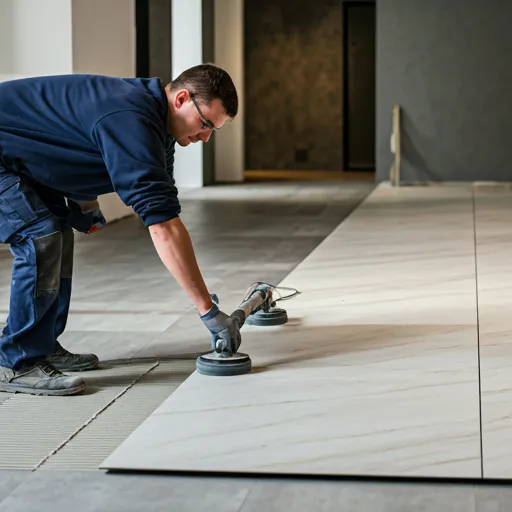
Miami — Miami-Dade
Porcelain is the workhorse surface for Miami floors, walls, and showers. Large-format panels reward a flat base, controlled lippage, and a waterproof membrane wherever water reaches. Below is what to check before the tile is set in a Miami home or condo.
Porcelain covers floors, walls, and wet areas, and rectified or large-format pieces need a flat substrate and the right thinset. Ask how the slab will be leveled, how movement joints will be set for Florida heat, and how lippage will be controlled on large panels. In showers and wet walls, ask for an ANSI A118.10 membrane and a flood test before the tile goes up. Epoxy grout or a high-performance cementitious grout suits South Florida humidity. Grout lines need the most attention over time, so ask for a grout rated for wet areas and for the traffic the room will see.
Homeowners and condo residents choose porcelain for low maintenance and moisture resistance. Outdoor-rated porcelain can go on covered terraces when the manufacturer rating allows. Ask for a sample of the exact tile in the room's light before you order. AP Stone works across Miami-Dade, Broward, and Palm Beach from its base in North Miami Beach, and wet-area work may need a permit.
Hard floors often draw association rules in a condo. Many Miami-Dade associations ask for sound-control underlayment under hard floors and set work hours. Brickell and Coconut Grove are neighborhoods of the City of Miami, and the rules differ from one building to the next. Ask the association for its floor rules before you order tile.
After the 2021 Champlain Towers South collapse in Surfside, Florida passed SB 4-D (2022), which requires milestone structural inspections of condominium buildings three stories or taller.
Porcelain suits a condo floor. Its water absorption is 0.5% or less, so it resists staining and moisture. Rectified edges allow thin grout joints, which make a large format look flatter. Pieces with one side of 15 inches or more need a flatter base and a mortar made for large pieces, and double-buttering helps the mortar cover the back of the tile.
Wet areas need more than the tile. ANSI A118.10 is the standard for waterproof membranes installed under tile, and the TCNA Handbook publishes the tile installation methods used across the U.S. Ask which method the installer follows before the first tile goes down.
On a covered terrace, check the manufacturer's outdoor rating before you buy. Atlantic hurricane season runs from June 1 to November 30, so ask how exterior tile will be set before that season starts.
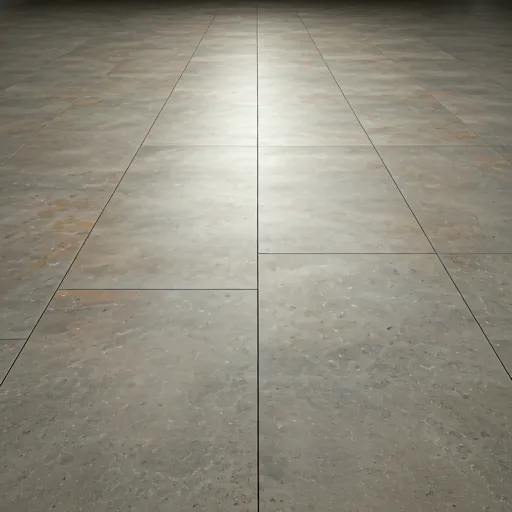
Why Choose AP STONE INC.
Large panels need a flat base and the right leveling system. Ask what the installer uses on panels over 15 inches.
Ask for ANSI A118.10 waterproofing and a flood test in showers and wet walls before porcelain goes up.
Ask for a moisture test of the slab before adhesive goes down, especially on a Miami floor.
Bilingual team in English and Spanish.
"24x48 porcelain throughout the main floor. Flat, tight joints, no lippage. They moisture-tested the slab first, which other quotes skipped."
Kevin D.
Miami, Porcelain Floors
"Master bath porcelain walls and floor over a full membrane. Flood-tested, then installed. Looks sharp and cleans up easily in this humidity."
Natalie W.
Miami, Bathroom Porcelain
"Large-format porcelain in our condo kitchen and living area. Quiet work, HOA-friendly schedule, and the floors are perfectly level."
Omar F.
North Miami Beach, Condo Floors
The cost moves with the tile size, the floor area, the substrate prep, and the membrane scope in any wet area. Large-format panels cost more to set because they need a flatter base and tighter lippage control. We quote after measuring, so the number reflects your floor, not an average for Miami.
The schedule follows the steps: substrate prep, membrane and flood test in wet areas, setting, cure time, then grout and sealer. Large-format panels need extra setting and curing time for flatness and bond. Ask for the step list in writing before the work starts.
Yes, with the right prep. Porcelain resists humidity and staining better than many natural stones. Large-format panels reduce grout lines in showers. Look for a slip-resistance rating on the box, and ask for a rating suited to wet floors. Wet areas still need a membrane and a flood test under the tile.
Many Miami-Dade condo associations ask for sound-control underlayment under hard floors and set work hours. Ask for the association rules before you order tile. The City of Miami runs its own building department; Miami Beach, Coral Gables, Doral and Aventura are separate cities with their own; Kendall is unincorporated and goes through Miami-Dade County.
Get a free estimate for Porcelain Tile Installation in Miami.